Have you ever wondered how farmers moved huge herds of cattle across Australia before big trucks existed? They used giant pathways cut right through the countryside. Today, these special areas are known as travelling stock reserves. They are a unique mix of history, nature, and practical farming help. Think of them as public highways, but instead of cars, they are meant for sheep, cows, and horses.
Many people drive right past a travelling stock reserve without even realizing what it is. These strips of land do so much more than just serve as a path for walking animals. They act as safe havens for native plants, beautiful spots for weekend campers, and vital lifelines during tough droughts. Let us dive into the fascinating world of these historic routes and see why they still matter so much today.
What is a Travelling Stock Reserve?
A travelling stock reserve is a dedicated patch of public land set aside for moving livestock from one place to another. In Australia, people often shorten the name and call them TSRs. These routes form a massive network that connects different farming regions. They ensure that handlers can walk their animals safely without treading on private property or getting stuck on busy main roads.
These spaces are managed by local government groups, like Local Land Services in New South Wales. They make sure the grass stays healthy and the water stations work. While their main job is helping farmers, a travelling stock reserve is usually open to the public too. That means you can visit them to walk, birdwatch, or just enjoy a quiet afternoon surrounded by the great Australian bush.
The Fascinating History of Stock Routes
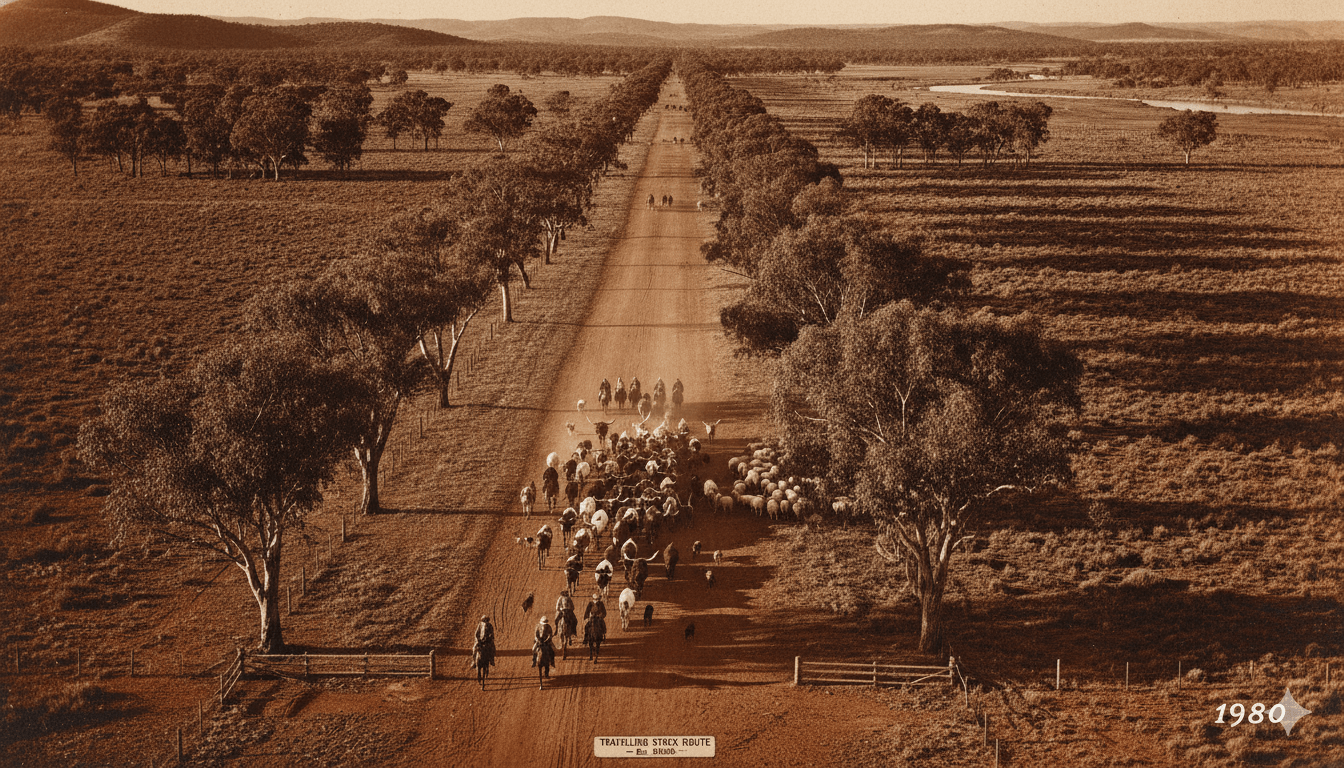
The story of the travelling stock reserve goes back over a hundred years. Long ago, there were no fast trains or massive semi-trailers to carry livestock to market. Pioneers and drovers had to walk thousands of animals across huge distances. To make this possible, the government created official stock routes so animals could walk and graze along the way without starving.
Over many decades, this clever system grew into the modern travelling stock reserve network we see today. Drovers used to spend months on these trails, sleeping under the stars and guiding their herds through harsh weather. These historic pathways literally shaped the rural towns of Australia. Many countryside communities originally grew around the busiest watering holes located on these ancient walking tracks.
Why Farmers Rely on Travelling Stock Reserves
Farming can be a tough business, and a travelling stock reserve provides a huge helping hand to local landholders. The most obvious use is moving animals between different properties when seasons change. Walking cattle on a travelling stock reserve is often much cheaper than hiring multiple large trucks. It allows the animals to travel at a relaxed pace while feeding on fresh grass.
Farmers also use a travelling stock reserve for something called emergency agistment. If a farmer runs out of feed on their own property due to a bad season, they can apply for a permit to graze their herd on a nearby reserve. This extra grass can save a family farm from financial ruin. It gives their home pastures a much-needed break to recover and grow back.
Essential Rules for Drovers and Farmers
You cannot just show up with a thousand sheep and take over a travelling stock reserve whenever you want. There are strict rules to keep things fair and safe for everyone. First, handlers must get a official permit before entering a travelling stock reserve with their livestock. This permit tells the managers exactly how many animals are coming and where they plan to go.
There is also a very important speed rule that sounds a bit funny at first. Livestock traveling on a travelling stock reserve must walk a minimum distance every single day. Usually, cattle must walk at least ten kilometers a day, and sheep must cover six kilometers. This clever rule stops people from staying in one spot for too long and eating all the good grass.
How Travelling Stock Reserves Protect Native Wildlife
Because a travelling stock reserve has never been cleared for houses or heavy farming, the land is often in its natural state. This makes each travelling stock reserve a vital sanctuary for native Australian animals. Beautiful birds, busy gliders, and rare lizards find safe homes in the old-growth trees. These areas act as natural stepping stones across the modern landscape.
When farmers clear land for crops, wildlife habitats get chopped into tiny, isolated pieces. A travelling stock reserve connects these separate patches of bushland together like a green bridge. Animals can safely travel through a travelling stock reserve to find food, mates, and new homes. Without these protected corridors, many endangered species would struggle to survive in the wild.
A Paradise for Rare Plants and Trees
It is not just animals that thrive inside a travelling stock reserve layout. These areas hold some of the last remaining examples of original native woodlands. Walking through a travelling stock reserve, you might see massive eucalyptus trees that are hundreds of years old. These giant trees have hollows that take over a century to form naturally.
Many beautiful wildflowers and native grasses only grow inside the borders of a travelling stock reserve. Because these zones face minimal chemical spraying and ploughing, the soil remains healthy and untouched. Protecting a travelling stock reserve means saving a living seed bank of Australia’s ancient botanical history. It gives scientists a clear look at what the country looked like long ago.
Fun Recreational Activities You Can Enjoy
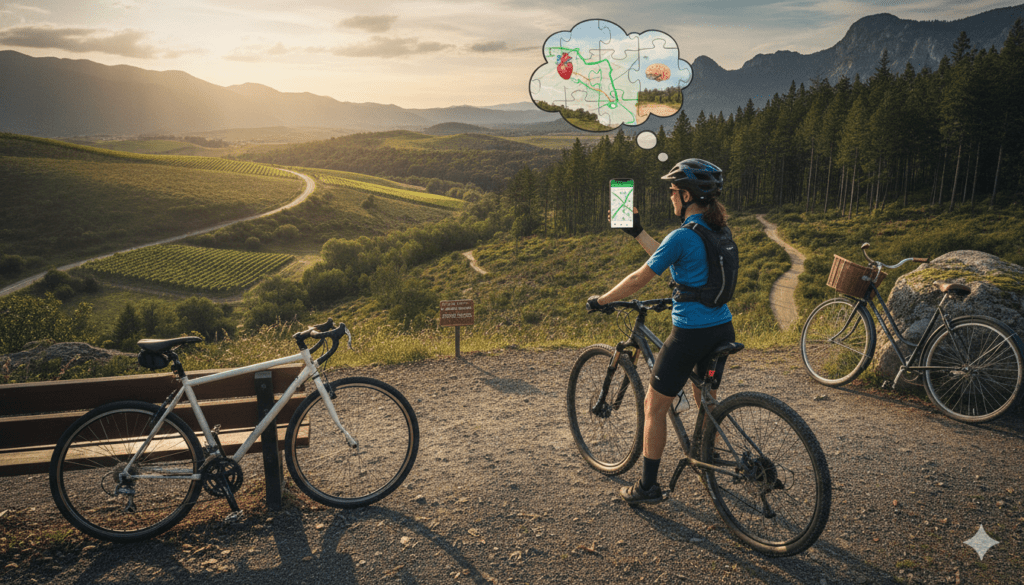
Did you know that you can visit a travelling stock reserve for your own weekend adventures? They are fantastic places for outdoor fun if you love nature. Many people use a travelling stock reserve for bushwalking, landscape photography, and peaceful birdwatching. Since they are public land, they offer a great escape from crowded city parks and noisy tourist traps.
In many regions, you are allowed to go camping on a travelling stock reserve for a short stay. It is a wonderful way to experience the real Australian outback without spending a fortune. Just remember that livestock always have the right of way. If a herd of cattle walks past your tent on a travelling stock reserve, simply sit back and enjoy the show.
Travelling Stock Reserves as a Lifeline During Drought
When a severe drought hits the country, a travelling stock reserve transforms into a literal lifesaver. Farmers call these long strips of land the “long paddock.” When private farms turn bare and dusty, a travelling stock reserve often still has standing grass. This happens because the reserves are managed carefully and are not grazed all year round.
During these hard times, you will see many herds walking along a travelling stock reserve just to stay alive. Drovers move them slowly from reserve to reserve where water is still available. This traditional practice keeps livestock healthy without forcing farmers to buy expensive imported grain. The travelling stock reserve network keeps the agricultural economy moving forward when rain disappears.
The Key Challenges Facing These Public Lands
Managing a massive network of public land like a travelling stock reserve is not an easy job. One of the biggest problems is the spread of invasive weeds. Pests like blackberries and noxious thistles can quickly take over a travelling stock reserve if left unchecked. These bad weeds crowd out the good native grass that livestock and wildlife need.
Pest animals like wild rabbits, foxes, and feral pigs also cause heavy damage to a travelling stock reserve. They dig up the dirt, ruin water holes, and hunt local wildlife. It takes a lot of time, money, and hard work to keep a travelling stock reserve clean and safe. Managers must work closely with neighboring farmers to tackle these pesky biosecurity threats together.
Understanding Your Responsibilities as a Visitor
Visiting a travelling stock reserve is a privilege, so we all need to be respectful guests. The most important rule is to leave the area exactly how you found it. Always pack out your rubbish and never leave campfire coals burning. If you bring a dog onto a travelling stock reserve, keep it on a sturdy lead so it does not scare the local wildlife or passing cattle.
Be sure to close every gate you walk through on a travelling stock reserve. A single open gate can let an entire herd of cows escape onto a dangerous highway. Also, check the local rules before you go, as some areas require a small permit for overnight camping. By being a responsible visitor, you help ensure the travelling stock reserve stays open for future generations.
The Bright Future of Our Historic Reserves
The role of the travelling stock reserve is changing, but these lands are more valuable than ever. Today, managers are using modern technology like satellite mapping to keep an eye on grass levels. This helps them decide exactly how many animals can safely visit a travelling stock reserve. It prevents overgrazing and keeps the ecosystem perfectly balanced.
People are also realizing that a travelling stock reserve is a key weapon against climate change. The thick trees and deep roots store lots of carbon, keeping the air clean. As we move forward, the trusty travelling stock reserve will continue to serve our hard-working farmers while protecting our precious natural world. It truly is a remarkable Australian treasure.
Quick Summary of Travelling Stock Reserves
| Feature | Description | Main Benefit |
| Primary Purpose | Moving livestock safely on foot | Saves transport costs for farmers |
| Environmental Role | Wildlife corridors and plant sanctuaries | Protects endangered native species |
| Public Access | Open for camping, walking, and birdwatching | Provides free outdoor recreation |
| Drought Value | Known as the “long paddock” for emergency feed | Keeps herds alive when water is scarce |
| Management | Handled by groups like Local Land Services | Keeps weeds and pests under control |
Frequently Asked Questions
Can I ride my horse on a travelling stock reserve?
Yes, horse riding is generally allowed on a travelling stock reserve. It is a fantastic way to explore the countryside. Just make sure your horse does not damage the environment or bother any grazing livestock that are using the trail.
Do I need to pay to camp on a travelling stock reserve?
In many cases, short-term camping on a travelling stock reserve is completely free. However, some specific high-use areas might require a small fee or a booking permit. It is always best to check with the local land authority before setting up your camp.
What should I do if I see cattle on a travelling stock reserve?
If you meet livestock while driving or walking on a travelling stock reserve, give them plenty of space. Slow down your car to a gentle crawl or stop safely on the side. Let the drovers guide the animals past you calmly without making loud noises.
Are dogs allowed on these reserves?
Yes, you can usually bring your dog onto a travelling stock reserve, but they must be kept under strict control. It is highly recommended to use a leash. This prevents your dog from chasing native wildlife or disturbing herds of sheep and cattle.
Who pays for the maintenance of a travelling stock reserve?
The funds to look after a travelling stock reserve come from a few places. Farmers pay fees when they get permits to use the land for their livestock. Some money also comes from government grants focused on environmental protection and pest control.