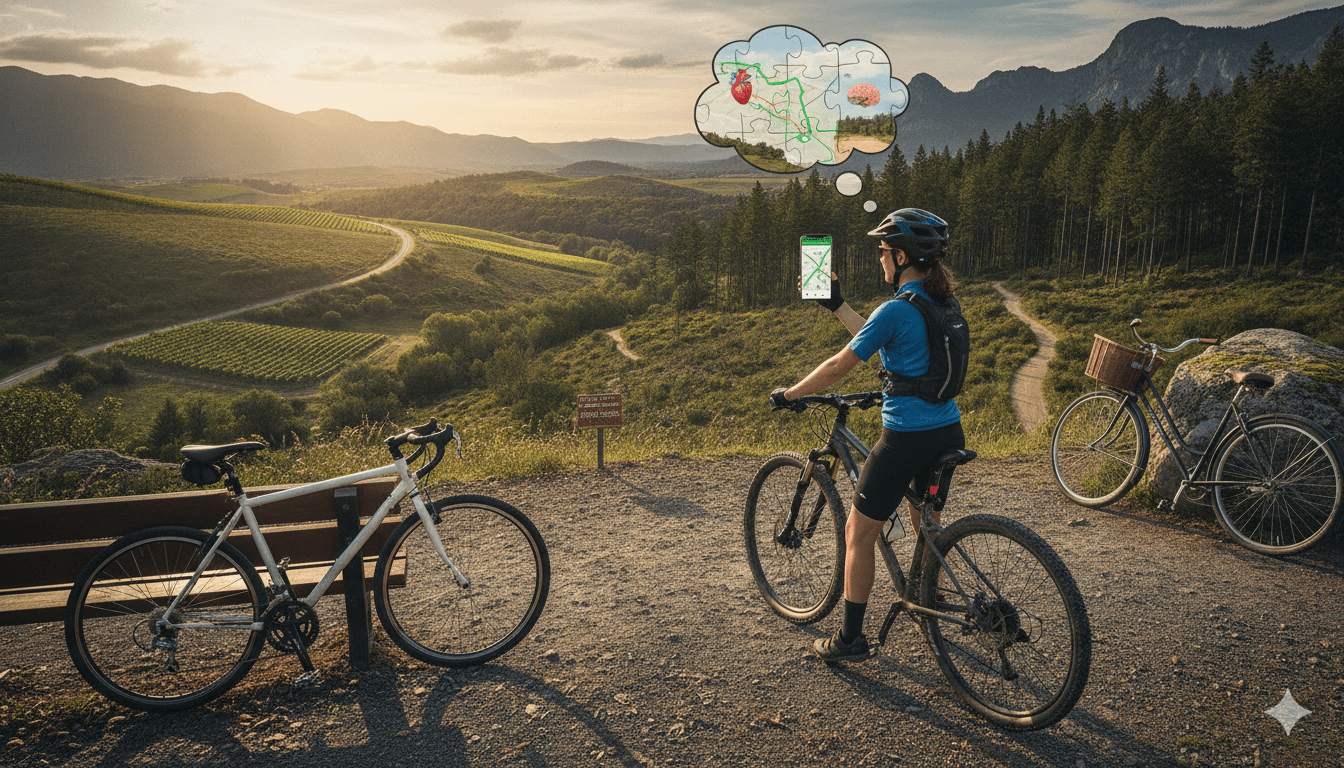
Finding the perfect place to ride can sometimes feel like a puzzle. If you are typing biking trails near me into your phone, you want quick, clear answers. Whether you ride a smooth road bike, a rugged mountain bike, or a simple cruiser, your local area holds hidden gems. Biking is a fantastic way to boost your heart health, clear your mind, and explore the outdoors. As a lifelong cyclist who has logged thousands of miles on everything from city asphalt to muddy mountain singletracks, I know exactly what makes a trail worth your time.
Choosing the right path makes all the difference. A bad choice can lead to flat tires or unexpected, steep hills that ruin your day. In this complete guide, we will break down how to find the safest, most scenic paths right outside your door. We will cover the tools you need, safety tips, and how to pick the best path for your fitness level. Let us get rolling and help you discover the ultimate spots right now.
Understanding Different Types of Biking Trails
When searching for biking trails near me, you will quickly see that not all paths are created equal. Trails generally fall into three main styles: paved paths, rail-trails, and mountain bike singletracks. Paved paths are usually made of concrete or smooth asphalt. They are completely flat and built away from busy car traffic, which makes them perfect for road bikes, kids, and casual weekend cruisers.
Rail-trails are a unique piece of history. These are old, abandoned train tracks that local communities have cleared out and turned into long, continuous public paths. Because trains cannot climb steep hills, rail-trails offer very gentle, flat grades. They often feature packed dirt or fine crushed limestone, making them wonderful for hybrid or gravel bikes. On the other end of the spectrum, mountain bike singletracks are narrow dirt paths built explicitly for rugged off-road riding. They feature tree roots, rocks, short climbs, and exciting downhill drops that require a sturdy bike with thick, knobby tires.
Best Free Mobile Apps to Locate Trails Instantly
Technology makes finding outdoor routes incredibly easy. If you want to see exactly what is around you, download a few dedicated mapping apps on your smartphone. The top choices among experienced cyclists are AllTrails, Trailforks, and Strava. AllTrails is excellent for beginners because it mixes walking, hiking, and cycling paths into one simple layout. You can easily filter searches by length, difficulty, and community reviews.
For those looking for dirt adventures, Trailforks is the undisputed king of off-road mapping. It gives you highly detailed terrain maps, showing color-coded difficulty lines for mountain biking. Green lines mean easy, blue means intermediate, and black lines warn you about highly technical terrain. Strava works a bit differently. It uses GPS tracking to log your rides, but it also features global “heatmaps.” These heatmaps visually reveal exactly which local roads and paths are most frequently used by real cyclists in your community, showing you safe, proven routes instantly.
How to Match a Trail to Your Current Cycling Skill
Picking a path that matches your current fitness level ensures you stay safe and have fun. If you are just starting out or riding with younger children, your best bet is a wide, flat greenway path. Look for trails that have a “multi-use” designation. These routes keep you away from cars and give you plenty of space to get comfortable balancing, braking, and shifting gears without stress.
Intermediate riders who want a little more action can move up to crushed gravel loops or light cross-country dirt trails. These paths introduce uneven terrain, which helps build your core strength and bike-handling skills. If you are an advanced rider looking for a major physical challenge, seek out dedicated mountain bike parks or long road routes with significant elevation gains. Pushing yourself too hard on a difficult trail before you are ready can lead to exhaustion or nasty spills, so always start small and work your way up.
Crucial Safety Gear You Need Before Hitting the Trail
Before you head out to explore the best biking trails near me, you must prepare your gear. Safety should always be your number one priority. A properly fitted bicycle helmet is completely non-negotiable. It should sit flat on your forehead, just two finger-widths above your eyebrows, and the straps should form a snug “V” shape directly under your ears. Never ride without one, even on short, familiar neighborhood paths.
Beyond your helmet, always carry a small under-seat tool pouch containing a spare inner tube, tire levers, and a compact hand pump. Getting a flat tire miles away from your car is a quick way to ruin a beautiful afternoon. Bright front and rear LED lights are also vital, even during sunny daytime hours, because they dramatically increase your visibility to drivers and other path users. Finally, always pack more fresh water and simple snacks than you think you will need to keep your energy high.
Basic Trail Etiquette for a Smooth Ride
Sharing public outdoor spaces requires everyone to follow simple rules of courtesy. The most fundamental rule of the path is that faster moving wheels must always yield to people on foot. When you approach walkers or joggers from behind, slow down and give them a polite, early warning. You can ring a bicycle bell or loudly call out, “On your left!” well before you pass them.
Always stay on the right side of the trail, leaving the left side open for others to pass you safely. If you need to take a quick break to drink water or check your map, always pull your bicycle completely off the path onto the grass. Stopping directly in the middle of a narrow trail creates a dangerous blind obstacle for other cyclists speeding around corners. By keeping these polite habits in mind, we keep the outdoor spaces friendly, safe, and open for everyone to enjoy.
How Weather Affects Different Local Riding Surfaces
Checking the local weather forecast before you leave the house is a smart habit for any cyclist. Rain, wind, and extreme heat change trail conditions instantly. For example, a heavy rainstorm makes paved asphalt paths quite slick, meaning you need to brake much earlier than normal. Wet weather can also cause painted road lines and wooden footbridges to become as slippery as ice.
If you prefer unpaved dirt paths, rainy days mean you should stay off the singletrack entirely. Riding your bike on soft, wet dirt carves deep ruts into the ground. When these mud ruts dry out under the sun, they ruin the smooth surface and damage the hard work of local trail builders. If it rained heavily within the last 24 hours, stick to paved paths or dry gravel rails-to-trails. This simple choice protects your bike from thick mud and keeps our natural trail systems in great shape.
Planning Your Route Around Local Essential Amenities
A truly great bike ride requires looking at more than just the path itself. You also need to consider the essential amenities waiting for you along the route. When choosing among various biking trails near me, check the map for trailhead parking lots, public restrooms, and accessible drinking water fountains. Knowing exactly where these stops are keeps you comfortable during long summer afternoon rides.
If you plan on taking a longer journey, look for paths that cut near local parks, bike-friendly cafes, or small towns. Stopping for a cold drink or a quick snack breaks up a long day of exercise and supports local businesses. If you are traveling to a trail by car, make sure the parking lot allows vehicle parking after sunset. Planning these tiny details ahead of time turns a simple workout into a stress-free outdoor adventure.
Simple Bike Inspection Checklist Before You Leave Home
You do not need to be a professional bike mechanic to keep your ride running smoothly. Before heading to the biking trails near me, perform a quick, sixty-second inspection using the classic “ABC” system. This simple memory trick stands for Air, Brakes, and Chain. First, check the Air in your tires by giving them a firm squeeze; they should feel rock-hard, and you can use a pressure gauge to match the numbers printed right on the tire sidewall.
Next, test your Brakes by squeezing the handlebar levers tightly. Your bike should stop instantly without the levers pulling all the way back to touch your grips. Finally, look down at your Chain and gears. The chain should look clean and lightly lubricated, moving smoothly without making loud, dry squeaking noises. Catching a mechanical issue in your driveway is much safer than dealing with a broken chain far out in the woods.
Family-Friendly Riding: Keeping Kids Safe and Happy
Taking your family out on a bicycle adventure is a wonderful way to bond and build healthy habits. However, riding with young kids requires a specific strategy. Look for local paths that are completely separated from car traffic, such as flat park loops or dedicated suburban greenways. Avoid any routes that force you to cross busy multi-lane intersections or ride along unprotected road shoulders.
Keep your early family trips short and relaxed, focusing entirely on having fun rather than hitting a high mileage goal. Bring plenty of kid-friendly snacks, take frequent breaks near playgrounds, and praise their pedaling efforts. If your child is still using training wheels, stick strictly to smooth, level concrete paths. Crushed stone or loose gravel can cause small wheels to slip and slide, which can quickly frustrate a young rider who is still learning to balance.
The Many Health and Wellness Benefits of Regular Cycling
Getting out onto the biking trails near me regularly does wonders for your physical health and mental clarity. Cycling is a fantastic, low-impact aerobic workout. Unlike running, which slams your feet down hard onto solid pavement, cycling turns your legs in a smooth, fluid circle. This gentle movement protects your knees, ankles, and hip joints while still building powerful muscle strength in your legs and core.
Regular riding also strengthens your heart, expands your lung capacity, and helps you maintain a healthy body weight. Beyond the physical perks, spending time outside on quiet, tree-lined trails is a proven way to reduce stress and anxiety. The rhythmic motion of pedaling, combined with fresh air and green nature, allows your brain to unwind from the daily digital grind. It is a complete wellness package disguised as pure, simple fun.
Comprehensive Trail Comparison Table
| Trail Type | Best Bike Type | Surface Material | Typical Difficulty | Ideal For |
| Paved Greenways | Road, Cruiser, Hybrid | Asphalt or Concrete | Very Easy | Beginners, Kids, Speed |
| Rail-Trails | Hybrid, Gravel, Comfort | Crushed Limestone / Dirt | Easy to Moderate | Long distance, Flat riding |
| Cross-Country | Hybrid, Mountain Bike | Packed Earth, Light Gravel | Moderate | Fitness, Nature lovers |
| Singletrack | Mountain Bike Only | Dirt, Rocks, Tree Roots | Moderate to Hard | Adventure, Skill building |
Frequently Asked Questions
How do I find hidden biking trails near me that aren’t on main maps?
The best way to locate hidden pathways is to look at local city park websites, visit local bike shops, or check the global heatmaps on apps like Strava. Local cycling clubs often publish custom route maps online that highlight safe, quiet neighborhood connections that standard car navigation apps completely ignore.
Can I ride a standard road bike on a crushed gravel trail?
You can ride a road bike on packed gravel, but it is not ideal if your tires are very thin and smooth. Thin tires sink into loose gravel, which makes balancing difficult and increases your risk of getting a flat tire. If you want to ride on gravel often, swap your tires for wider, textured ones or use a hybrid bicycle.
What should I do if I encounter wild animals on a nature trail?
If you see wildlife like deer, dogs, or larger animals, slow down completely and give them plenty of space. Never chase, surprise, or try to feed an animal from your bike. Speak in a calm, loud voice so they know you are a human, and wait patiently for them to move off the path before you pedal past.
Are electric bikes (e-bikes) allowed on all local bicycle paths?
Rules for e-bikes vary depending on your city and state laws. Most flat, paved public greenways allow Class 1 e-bikes (which only assist you when you are actively pedaling, up to 20 mph). However, some natural dirt trails ban motorized wheels entirely to protect the soil, so always read the signs posted at the trailhead.
How many calories can I expect to burn during an hour of trail riding?
An average adult riding at a casual, steady pace of 10 to 12 miles per hour will burn roughly 400 to 500 calories in one hour. If you tackle a rugged mountain trail with lots of steep hills, your body works much harder, which can push that number up past 700 calories per hour.
What is the best time of day to avoid crowds on popular paths?
The quietest times to explore local routes are early weekday mornings (before 8:00 AM) or early afternoons (between 1:00 PM and 3:00 PM). Weekends are almost always crowded with walkers, strollers, and pets, so going out early or late on Saturdays and Sundays gives you the clearest, safest path.
Conclusion
Finding the perfect biking trails near me is your gateway to adventure, fitness, and outdoor fun. By choosing the right type of path, using helpful tracking apps, and double-checking your bike safety gear, you set yourself up for a fantastic experience. Remember to be courteous to others, respect the natural environment, and choose paths that match your current skill level. Do not let your bicycle sit in the garage gathering dust. Grab your helmet, pump up your tires, and head outside to explore your community on two wheels today!