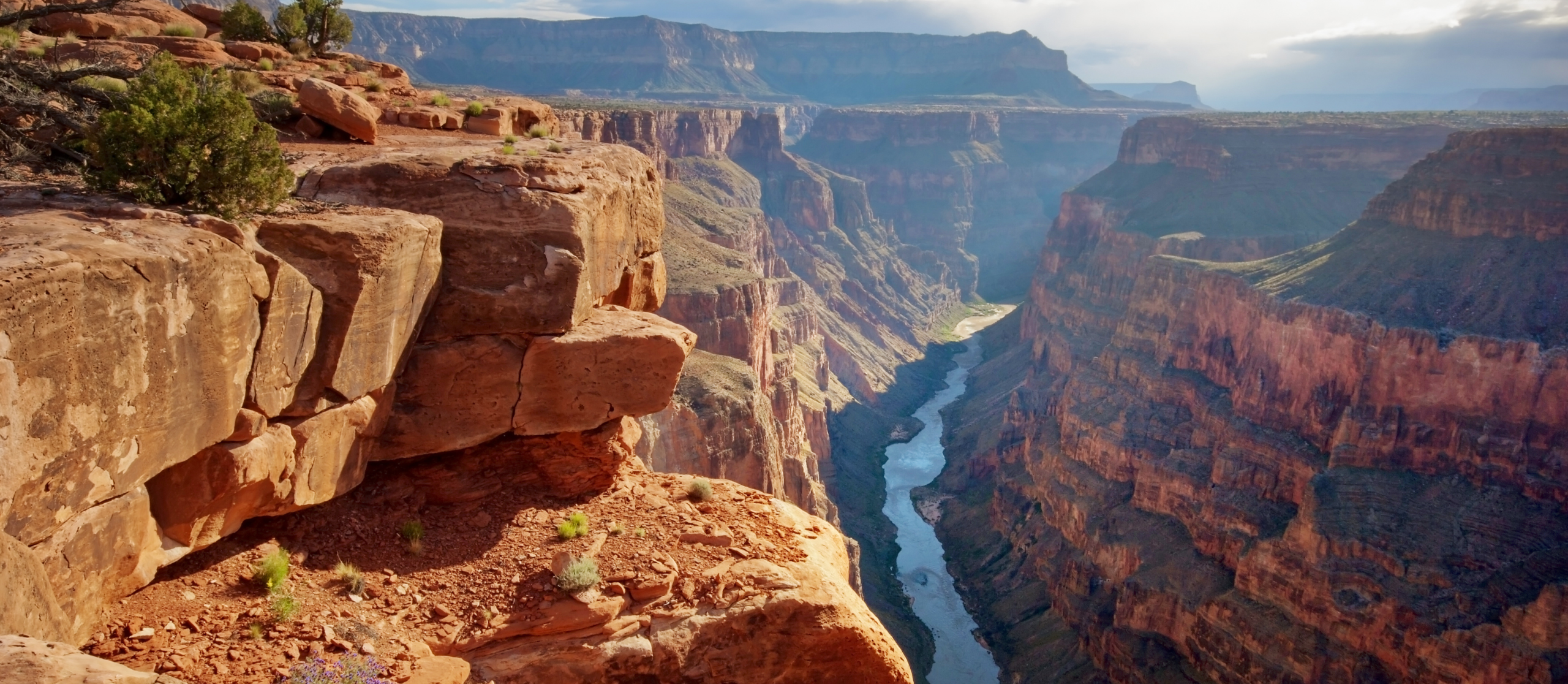
The natural world is filled with extraordinary formations that inspire curiosity and imagination. Over millions of years, the forces of geology—wind, water, heat, and pressure—have sculpted landscapes into breathtaking shapes and patterns. Sometimes these formations resemble familiar objects, animals, or mythical creatures, sparking stories and cultural interpretations. One fascinating concept inspired by nature is that of the “Natural Lucky Dragon.” While dragons exist primarily in mythology, certain geological structures and rock formations around the world appear to resemble dragon-like shapes, leading people to associate them with luck, power, and mystery.
The Power of Geological Forces
To understand how natural formations can resemble mythical creatures such as dragons, it is important to consider the powerful geological forces that shape the Earth. Mountains, cliffs, caves, and rock pillars are formed through processes like volcanic activity, tectonic movement, erosion, and sedimentation. Over thousands or even millions of years, these forces gradually carve landscapes into unique forms.
Wind erosion, for example, slowly wears Lucky Dragons away softer layers of rock while leaving harder layers behind. Water flowing through rivers or rainfall can carve deep valleys and create smooth curves in stone. When these processes act together for long periods of time, they can create shapes that look surprisingly intentional, even though they are purely natural.
Sometimes these shapes resemble the body of a dragon stretching across a mountain ridge or the head of a dragon emerging from a cliffside. These formations capture the imagination of observers and often become famous natural landmarks.
Dragon-Shaped Mountains and Rock Formations
Around the world, there are many rock formations and mountain ridges that resemble dragons in their appearance. Long winding ridges can look like the spine of a dragon resting across the land, while jagged peaks may resemble horns or claws. When viewed from a particular angle, these natural formations can appear strikingly similar to mythical dragon figures described in ancient stories.
These dragon-like landscapes often become popular tourist attractions. Visitors travel to see these formations not only for their beauty but also for the sense of mystery they evoke. Standing in front of a massive rock structure shaped like a dragon can feel like witnessing a blend of nature and mythology.
Such formations demonstrate how the human mind interprets patterns in nature. When people observe shapes in clouds or rock formations, they often relate them to familiar symbols. Dragons, being powerful and legendary creatures, naturally become one of the most common interpretations.
Cultural Beliefs and the Idea of Lucky Dragons
The idea of the “Lucky Dragon” is deeply rooted in cultural traditions, particularly in parts of Asia where dragons symbolize strength, prosperity, and good fortune. Unlike the fire-breathing monsters often portrayed in Western myths, Eastern dragons are usually seen as wise, protective beings connected to nature and water.
When natural landscapes resemble dragon shapes, local communities sometimes interpret them as signs of good luck or spiritual significance. A mountain ridge shaped like a dragon might be considered a guardian of the land, while a winding rock formation could symbolize prosperity flowing through the region.
These interpretations blend geology with cultural storytelling. People are inspired by what they see in nature, and those visual impressions gradually become part of local legends and traditions.
The Role of Weathering and Erosion
Many dragon-like formations are created through the gradual processes of weathering and erosion. Weathering occurs when rocks break down due to temperature changes, chemical reactions, or biological activity. Erosion then transports these broken pieces away, slowly shaping the remaining rock into distinctive structures.
For example, a large rock formation may initially form as a solid mass of stone. Over time, cracks develop due to temperature changes or water entering small crevices. Wind and rain gradually widen these cracks, causing parts of the rock to erode away. The remaining structure may eventually form curves, ridges, and shapes that resemble living creatures.
These processes are incredibly slow, often taking thousands or millions of years to produce dramatic landscapes. What appears to be a dragon carved into stone is actually the result of countless natural events occurring over vast periods of time.
Natural Beauty and Human Imagination
The concept of Natural Lucky Dragons highlights the powerful connection between nature and human imagination. While geology explains the scientific processes behind rock formations, human creativity adds meaning and symbolism to what we observe.
People often feel a sense of wonder when they encounter natural formations that resemble mythical creatures. These experiences remind us that nature can produce shapes as impressive and imaginative as those found in legends and stories.
Photographers, travelers, and nature enthusiasts frequently seek out such formations because they represent a rare combination of scientific curiosity and artistic beauty. The shapes created by natural forces feel almost magical, even when we understand the geological processes behind them.
Protecting These Geological Treasures
As interest in unique natural formations grows, it becomes increasingly important to protect these geological wonders. Many dragon-shaped rock formations exist in fragile environments that can be damaged by excessive tourism or environmental changes.
Conservation efforts help ensure that future generations can continue to enjoy these remarkable landscapes. Protecting natural sites involves responsible tourism, environmental awareness, and respect for the surrounding ecosystem.
By preserving these geological formations, we also preserve the stories and cultural meanings associated with them.
Conclusion
The idea of Natural Lucky Dragons beautifully illustrates how science and imagination can come together in the natural world. Through the slow but powerful forces of geology, Earth creates landscapes that sometimes resemble the mythical creatures found in human folklore.
These formations remind us of the creativity of nature and the stories that people build around what they see. Whether viewed as scientific wonders or symbols of luck and protection, dragon-like landscapes capture the curiosity and admiration of those who encounter them.
Ultimately, exploring these geological wonders encourages a deeper appreciation for both the natural processes shaping our planet and the human imagination that brings those shapes to life.