Your Feet Are Your Foundation—Don’t Screw This Up
I’ve seen it a hundred times. A talented player shows up to the field, ready to rake, but they’re wearing the wrong cleats. By the third inning, they’re slipping on the basepaths, their feet are killing them, and their swing is all out of whack.
Here’s the thing: your connection to the ground is the starting point for everything. Power, speed, agility—it all begins with your feet. If you’re not wearing the right baseball cleats, you’re basically playing with a hand tied behind your back.
This guide is going to walk you through everything you need to know about picking the right baseball footwear. We’ll cover the different types of cleats, break down the top brands like Jordan, Nike, New Balance, and adidas, and help you figure out what’s best for your game. No fluff, just straight talk from someone who’s been in the trenches.
Quick Answer Box:
Baseball cleats are specialized shoes designed to provide traction and stability on grass and dirt diamonds. The right pair depends on your age, league rules, playing surface, and position. Choosing the right cleats improves speed, prevents injury, and enhances overall performance on the field.
What Are the Different Types of Baseball Cleats?
Choosing your cleats isn’t just about picking the coolest colorway. It’s about understanding the technology and knowing what works for your game. There are three main categories, and each serves a specific purpose.
1. Molded Cleats (Rubber or TPU)
Direct Answer: Molded baseball cleats are versatile, durable, and the most common choice for players of all ages, especially in youth leagues, because they offer reliable traction on multiple surfaces.
Let’s start with the workhorses of the baseball cleat world. Molded cleats have non-removable studs made of rubber or thermoplastic polyurethane (TPU). They’re what most players start with, and for good reason. They offer a fantastic balance of comfort, durability, and traction, especially for younger players or those who play on a variety of surfaces.
The Case for Molded:
- Versatility: You can wear them on natural grass, dirt, and even artificial turf without worrying about damaging the surface or ruining your spikes.
- Durability: They’re built to last. The rubber or TPU studs won’t wear down as quickly as metal spikes, especially if you’re playing on harder surfaces.
- Safety: Most youth leagues, including Little League, ban metal cleats for safety reasons, making molded cleats the standard.
- Muddy Conditions: If the field is a little wet, molded cleats actually provide better traction than metal. Metal spikes can sink too deep and get you stuck, whereas molded studs offer a stable grip.
Key Takeaway:
- Molded cleats are versatile and durable.
- They’re perfect for youth, travel, and recreational leagues.
- They’re a safer option on the basepaths.
2. Metal Cleats (Spikes)
Direct Answer: Metal baseball cleats provide the absolute best traction and grip for competitive high school, collegiate, and professional players, but they are often illegal in youth leagues due to safety concerns.
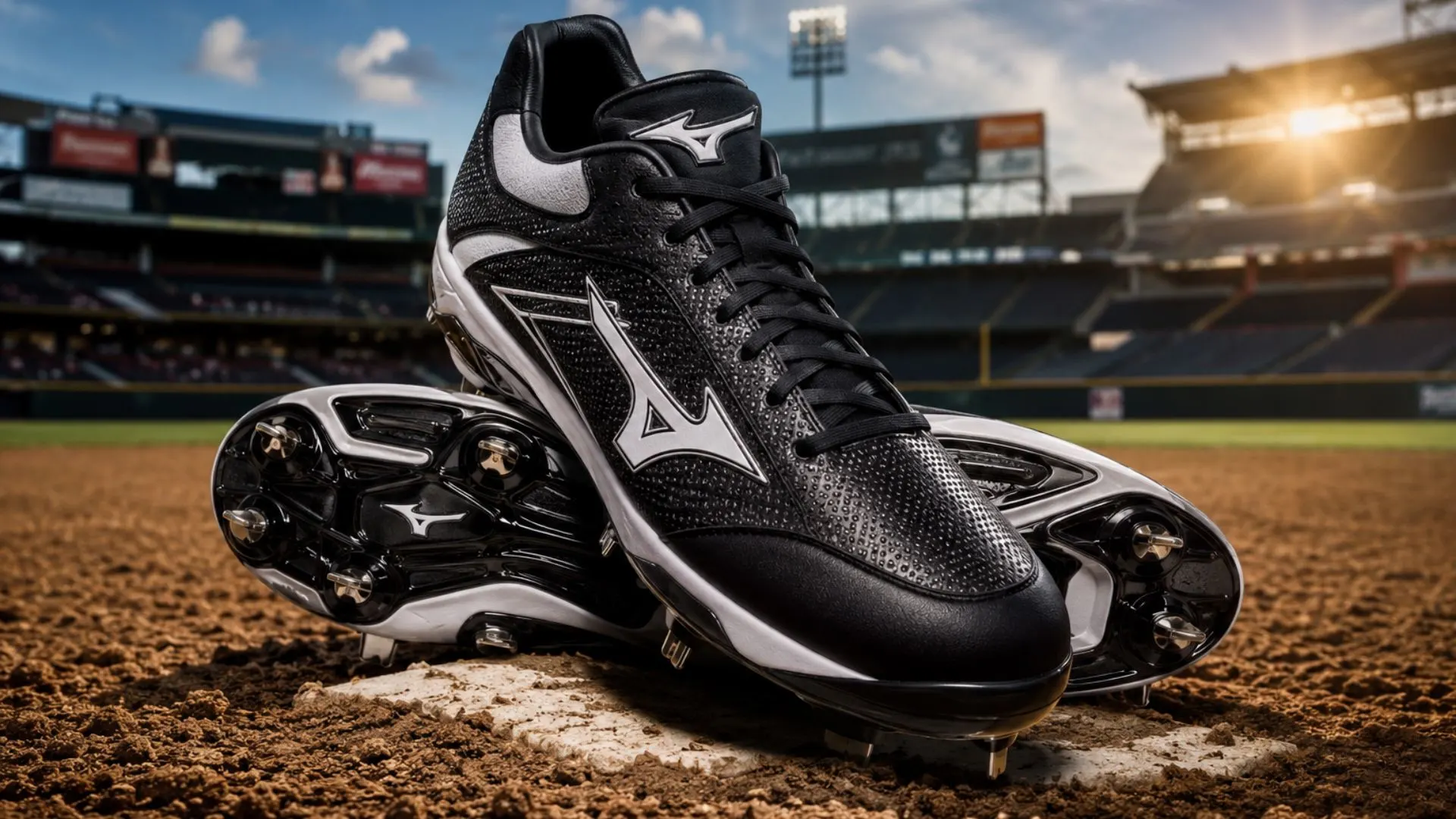
Now we’re in the big leagues. Or, at least, the players who are ready for them. Metal cleats feature thin, sharp steel spikes that dig deep into the dirt and grass, providing an unmatched level of grip. This allows for explosive bursts of speed out of the batter’s box, quick cuts in the field, and a stable base for pitchers.
The Power of Metal:
- Maximum Traction: They offer the best grip on the diamond, period. If you need to stop on a dime or change directions on a dime, metal is your best bet.
- Preferred by Pros: This is what you’ll see MLB players wearing because the traction advantage is crucial at the highest level.
- Quickness: The thin spikes penetrate the ground with ease, allowing for a quicker first step.
The Downsides:
- League Restrictions: You cannot wear them in most youth leagues due to the risk of injury on slides.
- Not for Turf: They are completely ineffective on artificial turf and can be dangerous as they don’t grip, increasing injury risk.
- Cost and Longevity: They tend to be more expensive than molded cleats and don’t last as long. You also might feel more pressure points, making them less comfortable for all-day wear.
Key Takeaway:
- Metal cleats are for serious, competitive play, typically high school level and above.
- They give unparalleled traction.
- Always check your league rules before buying metal cleats.
3. Turf Shoes
Direct Answer: Turf shoes are designed for artificial surfaces, featuring rubber nubs instead of spikes, making them a great choice for practice, warm-ups, and playing on turf fields.
While not technically a “cleat,” turf shoes are an essential part of any player’s arsenal. They look more like a traditional athletic shoe, but the bottom has a pattern of small, rubber nubs designed to grip artificial turf without damaging it.
Why Have a Pair?
- Practice and Warm-Ups: Many players prefer the comfort of turf shoes when taking batting practice or warming up.
- Turf Fields: If your team practices or plays on artificial turf, turf shoes are a must. They provide the specific grip needed for that surface and will protect your other cleats from wear.
- Comfort: They are lightweight and comfortable, making them perfect for long practices or when you’re on your feet all day.
Key Takeaway:
- Turf shoes are the best choice for artificial surfaces.
- They are more comfortable for extended wear and perfect for practice.
- Many players keep a pair in their bag for any situation.
Top Baseball Cleat Brands in 2026: Nike, New Balance, Jordan, and More
It’s easy to get lost in brand names, but here’s the deal: they’re all making good stuff, but each one has its own flavor. It’s about finding the right fit for your foot and your game. Let’s break down the heavy hitters.
Jordan Baseball Cleats
Direct Answer: Jordan baseball cleats are a popular choice for players who want iconic style and performance, featuring designs inspired by classic Air Jordan sneakers.
When you think of Jordan, you think of style. Their baseball cleats are no different. They’ve taken the DNA of their legendary basketball shoes and translated it to the diamond.
- Who They’re For: Players who want a stylish, iconic look that also performs. The Jordan 1 baseball cleats are especially popular for their high-top style, offering extra ankle support.
- Key Features: They often feature a synthetic leather upper for support and durability, with wide spike placement on the outsole to help with quick pivots and traction.
- The Vibe: They bring a swagger to the field. If you want to look good and play hard, Jordan is always a solid bet.
New Balance Baseball Cleats
Direct Answer: New Balance baseball cleats are engineered for comfort and performance, often featuring advanced foam cushioning and a secure, locked-in fit that players like Francisco Lindor swear by.
New Balance has become a major player in the baseball cleat game, and for good reason. They’ve focused heavily on technology and player comfort.
- Who They’re For: Players of all levels, especially those who prioritize a comfortable, snug fit. Their shoes are often praised for their wide sizing options.
- Key Features: Their Fresh Foam X cushioning is a standout feature, providing a soft, responsive ride. Their proprietary NLOCK system helps lock the foot in place, preventing slipping inside the shoe.
- Pro Endorsement: Cleveland Guardians star Francisco Lindor has his own signature line with New Balance, proving their cleats can compete at the highest level.
Nike Baseball Cleats
Direct Answer: Nike offers a diverse range of baseball cleats known for their lightweight designs, innovative cushioning like Zoom Air, and athlete-driven models from players like Mike Trout and Ronald Acuña Jr.
Nike is an absolute powerhouse in sports footwear, and baseball is no exception. They combine cutting-edge tech with sleek designs.
- Who They’re For: From youth players to pros, Nike has a cleat for everyone. They are known for their lightweight construction and modern look.
- Key Features: You’ll find a ton of tech here: React foam midsoles for a responsive feel, Zoom Air units for explosive cushioning, and lightweight breathable mesh uppers.
- Signature Athletes: Mike Trout’s “Force” line is massively popular, as are the Huarache Elite cleats inspired by Ronald Acuña Jr.
Adidas Baseball Cleats
Direct Answer: adidas baseball cleats combine European style with performance, offering both budget-friendly options and premium models with Boost cushioning for players who want a responsive, energy-returning ride.
adidas brings a unique flavor to the diamond, often blending their classic sneaker design with modern performance tech.
- Who They’re For: Players who like a sleek, modern look and appreciate responsive cushioning technology.
- Key Features: Their Boost foam is a game-changer for comfort and energy return, keeping your legs feeling fresh longer. Their Icon and Afterburner lines are very popular and offer a range of price points.
- Price Points: They offer great value, with options like the adizero Afterburner providing a legal metal cleat at a budget-friendly price.
How to Choose Baseball Cleats by Age, Position, and Surface
Alright, you’ve got the knowledge. Now it’s time to put it into practice. Here’s how to choose your cleats based on your specific situation.
Youth and Boys Baseball Cleats
Direct Answer: The most critical factors for youth baseball cleats are safety and fit, so always choose molded rubber cleats from trusted brands like Nike, New Balance, or adidas that are approved for your league’s age group.
For kids, safety is the absolute priority. Metal spikes are a hard no in almost every youth league. You want to get a pair of molded cleats that fit well and are comfortable.
- Best Bet: Look for molded rubber or TPU cleats. They provide the right amount of grip for kids without the safety hazards of metal.
- Fit: Don’t buy cleats that are too big for them to “grow into.” A poor fit can lead to blisters, discomfort, and even injury. They should fit snugly with about a thumb’s width of space from the longest toe.
Choosing Cleats by Position
- Pitchers & Infielders: Often prefer metal cleats at the high school level for the ultimate grip on firm dirt, allowing for explosive moves off the mound or to field ground balls.
- Outfielders: Benefit from molded TPU cleats, especially if the grass conditions are muddier, as they provide a more stable footing on softer ground.
- Catchers: A sturdy cleat is crucial for catchers. While molded spikes may be more comfortable, a metal cleat will help you stand strong and secure in your stance, preventing you from slipping when blocking pitches. Check out the Under Armour Harper 8 Low ST for a hybrid option designed to reduce heel fatigue, a common complaint for catchers.
Surface: Grass, Turf, or Dirt?
- Natural Grass & Dirt: Go for baseball cleats. You can choose between molded and metal, depending on your age and league.
- Artificial Turf: Turf shoes are your best bet. They provide the necessary grip without damaging the field or risking injury from stuck spikes.
Answer: Molded cleats have permanent rubber or plastic studs and are best for youth players, versatility, and durability across surfaces. Metal cleats have sharp steel spikes that provide maximum traction for high school, college, and professional players, but they are typically not allowed in youth leagues.
Answer: You shouldn’t. Baseball cleats are specifically designed for lateral movements, with a toe spike for extra grip and a stud pattern optimized for dirt and grass that other sports’ cleats lack.
Answer: They should feel comfortably snug. Your longest toe should be about a thumb’s width away from the end of the shoe. Be sure to wear the same socks you’ll play in when trying them on to ensure the best fit.
Answer: No. Metal cleats are not permitted in most youth leagues, including Little League, due to safety concerns on the basepaths. Always check your specific league’s rules before buying.
Answer: Nike, New Balance, Jordan, and adidas are widely considered the best, each offering unique advantages. New Balance is known for comfort and fit, Nike for performance tech, Jordan for style, and adidas for a blend of design and cushioning.
Bottom Line
Your baseball cleats are not just another piece of equipment. They are the foundation of your performance on the diamond. Choosing the right ones—whether it’s a versatile molded pair from New Balance, a stylish Jordan, or a high-performance metal spike from Nike or adidas—can dramatically impact your speed, comfort, and power.
Remember to always consider your age, league rules, playing position, and field surface to make the best decision. A well-chosen pair of cleats will keep you safe, comfortable, and playing at your absolute best.
References:
- Scheels. (2025, February 17). How to Choose Baseball Cleats.
- DICK’S Sporting Goods. (n.d.). Softball & Baseball Cleats Buying Guide.
- SQAIRZ. (2026, March 10). We Ran the Exit Velocity Test Again… Here’s What We Found.
- Baseball Town. (n.d.). Men’s Cleats.
- Batting Leadoff. (2026, July 29). Metal Baseball Cleats Review 2026: Top Picks and Buying Guide.
- Scheels. (2025, February 18). Football vs. Baseball Cleats—A Complete Guide.
- Under Armour. (n.d.). A Guide To Buying Baseball Cleats And Spikes.
- Baseball Monkey. (2022, March 28). Baseball and Softball Cleat Buying Guide.
- Honest Baseball. (2026, March 2). 7 Best Turf Shoes For Baseball 2026.
- Nike. (2024, September 10). The Best Baseball Cleats by Nike.
Read More: Hattie Glascoe